Why You Should Consider Calling The Police: Reasons And Benefits
When faced with an emergency or a situation that requires immediate assistance, the question of "why call police cops" often arises. The answer lies in the crucial role that police officers play in upholding law and order, protecting citizens, and ensuring public safety.
Police cops are trained professionals who are authorized to enforce laws, investigate crimes, and respond to emergencies. They are equipped with the knowledge, skills, and resources to handle a wide range of situations, from minor disturbances to major incidents. By calling the police, individuals can access this expertise and assistance in a timely manner.
The importance of police cops extends beyond their role in responding to emergencies. They also play a vital role in crime prevention, community engagement, and public education. By maintaining a visible presence in neighborhoods and building relationships with residents, police officers can deter crime, foster trust, and promote a sense of security. Additionally, they provide valuable information and resources to the community, such as crime prevention tips and safety programs.
The historical context of police work further underscores its importance. For centuries, police forces have been an integral part of societies around the world. They have evolved over time to meet the changing needs of communities, but their core mission of protecting and serving the public remains the same. In modern times, police cops face new challenges, such as terrorism, cybercrime, and mass shootings. However, they continue to adapt and innovate to ensure the safety and well-being of the communities they serve.
FAQs on "Why Call Police Cops"
This section addresses common questions and concerns regarding the role and importance of police cops in society.
Question 1: When should I call the police?
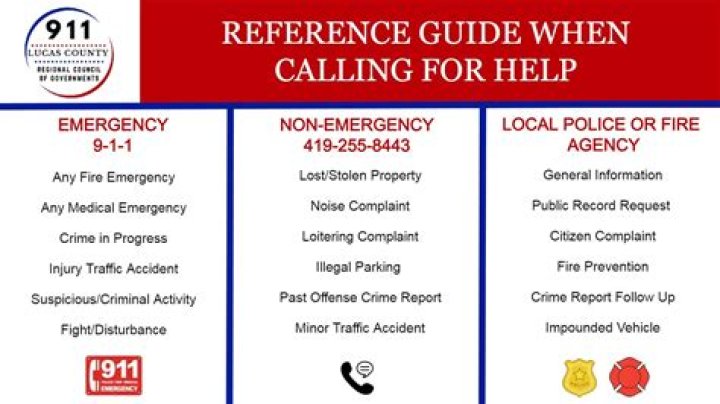
You should call the police in any situation where you feel your safety or the safety of others is at risk, or if you witness a crime being committed. This includes emergencies such as fires, medical emergencies, and active shooter situations, as well as non-emergency situations such as suspicious activity, property damage, or noise complaints.
Question 2: What happens when I call the police?
When you call the police, you will be connected to a dispatcher who will ask you for information about the situation and your location. The dispatcher will then send the appropriate police officers to your location. The police officers will investigate the situation and take appropriate action, such as making an arrest, issuing a citation, or providing assistance.
Question 3: What if I am afraid of retaliation from the person I am reporting?
If you are afraid of retaliation, you can request to remain anonymous when you call the police. The police will take steps to protect your identity and ensure your safety.
Question 4: What if I don't have an emergency?
Even if you don't have an emergency, you can still call the police to report suspicious activity, noise complaints, or other non-emergency issues. The police can provide assistance and help to resolve the situation.
Question 5: What are the benefits of calling the police?
Calling the police provides many benefits, including:
- Access to trained professionals who can assist you in a timely manner
- Protection from crime and violence
- Peace of mind knowing that you have taken steps to ensure your safety and the safety of your community
Question 6: What are the consequences of not calling the police?
If you do not call the police when you witness a crime or when you are in danger, you may be putting yourself and others at risk. Additionally, failing to report a crime can make it more difficult for the police to investigate and apprehend the perpetrator.
Summary: Calling the police is an important step you can take to protect yourself, your community, and your property. The police are trained professionals who are committed to serving and protecting the public. If you have any questions or concerns about calling the police, please do not hesitate to reach out to your local police department.
Transition to the next article section: The next section of this article will discuss the importance of community policing and how it can help to build trust and cooperation between the police and the community.
Conclusion
In conclusion, "why call police cops" is a question with a simple but profound answer: to protect and serve. Police cops play a vital role in our society, providing us with safety, security, and peace of mind. They are trained professionals who are committed to upholding the law, preventing crime, and helping those in need. When we call the police, we are not only accessing their expertise and assistance, but we are also contributing to the greater good of our community.
As we move forward, it is important to continue to support our police officers and to work together to build strong, trusting relationships between the police and the community. By working together, we can create a safer and more just society for all.
Hilarious Ricky Bobby Quotes To Make You Laugh Out Loud
Exclusive Photos: Solange Knowles' Son's Cutest Moments
The Ultimate Guide To Truth Or Dare Over Text: Uncover The Secrets Of Virtual Thrills
Answer Man Why are police officers called 'cops'?
Opinion Why Don’t You Just Call the Cops? The New York Times
